







Search Results for: smoking area setup
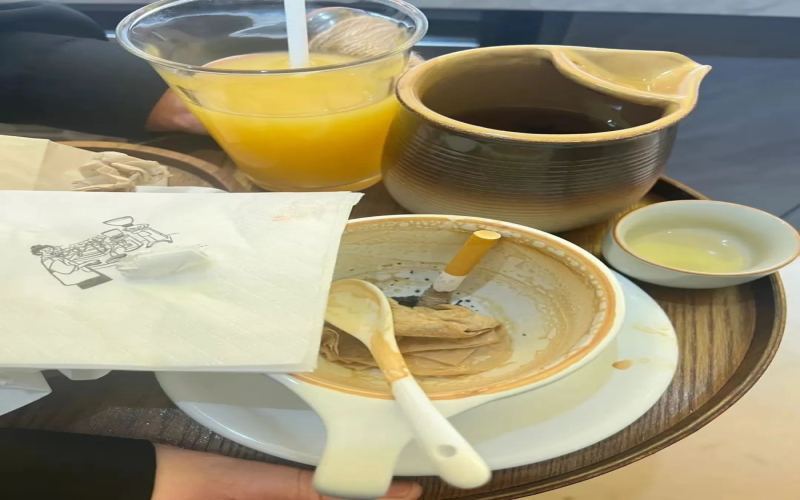
A Coffee Shop Owner's Dilemma: How Should No-Smoking Rules Be Properly Enforced When Customers Smoke Indoors?
A novice coffee shop owner is asking for help online: the shop has an explicit no-smoking rule, yet they have encountered an awkward situation where a customer insists on smoking and even throws a cigarette butt into a coffee cup. Faced with a situation that both disrespects the shop's rules and may risk triggering negative reviews, how should the owner handle it? Many fellow business owners and netizens have shared their views, discussing public place smoking bans, customer feelings, and the rights of operators. This article sorts out the opinions from all sides and explores feasible solutions such as setting up an outdoor smoking area, helping coffee shop owners find a balance between maintaining a good environment and avoiding conflict. [more…]
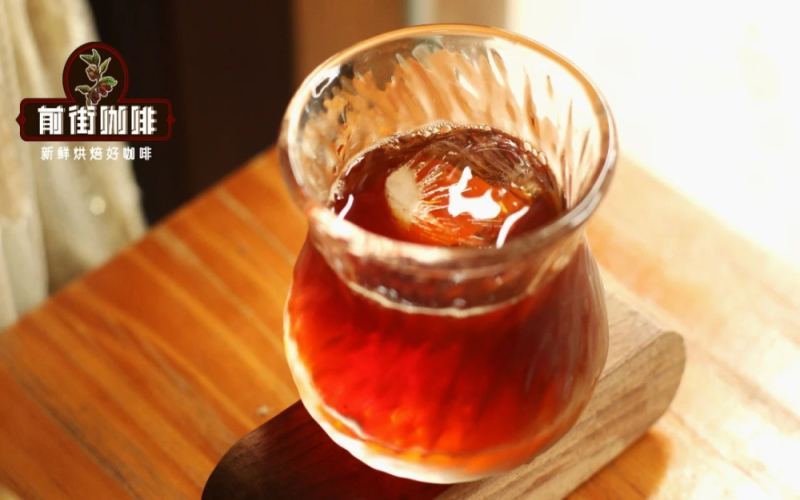
Cold Drip vs. Cold Brew Coffee: Home Brewing Methods, Coffee-to-Water Ratio Parameters, and Yirgacheffe Flavor Analysis
The intense heat of midsummer is hard to endure, and a refreshing glass of cold brew coffee has become a life-saving elixir for many coffee lovers. But what exactly is the difference between ice drip coffee and cold brew coffee? And how can you make it at home? Front Street Coffee will break down the equipment structure and production process of ice drip coffee in detail, and share a simpler cold brew coffee method. From the logic of adjusting the grind size, to the flexible use of a 1:10 coffee-to-water ratio, and then to the flavor performance of Kenya and Yirgacheffe Red Cherry beans under low-temperature extraction, this article presents them one by one, helping you easily make a clear and smooth iced coffee at home. [more…]
An Analysis of the Differences Between Ice Drip Coffee and Cold Brew Coffee: Brewing Parameters, Grind Ratio, and Flavor Performance of Front Street Coffee Beans
In the height of summer, a glass of ice-cold coffee is practically a lifesaver, yet many people can't clearly explain the difference between ice drip and cold brew. From the perspective of Front Street Coffee, this article systematically breaks down the extraction principles and equipment setup of ice drip coffee, explaining key parameters in detail such as 60 grams of grounds, a 1:10 coffee-to-water ratio, and an 85% pass rate through a No. 20 sieve, along with a simple process for making cold brew coffee at home. It also analyzes how grind size and coffee-to-water ratio affect flavor, and finally recommends two coffee beans suited for cold brew—Kenya Asalia and Honduras Sherry—to help coffee lovers easily enjoy a smooth, uniquely flavored glass of iced coffee in the scorching heat. [more…]
A Detailed Guide to Making Ice Drip Coffee and Cold Brew Coffee at Home: From Equipment Principles to Coffee-to-Water Ratios and Drinking Tips
On a scorching summer day, a glass of icy coffee is nothing short of a lifesaver. But what exactly is the difference between ice drip coffee and cold brew coffee? Can you make delicious iced coffee at home without professional equipment? Front Street Coffee will systematically walk you through the equipment setup and operating process of ice drip coffee, while also offering a cold brew coffee method that requires no complicated gear. From coffee dose and grind size to coffee-to-water ratio, from bean selection to refrigeration fermentation time, the article will also explain the principles behind low-temperature extraction and recommend two beans suitable for cold brew—Kenya and Red Cherry—helping you easily enjoy clear, sweet, and refreshing iced coffee during the dog days of summer. [more…]
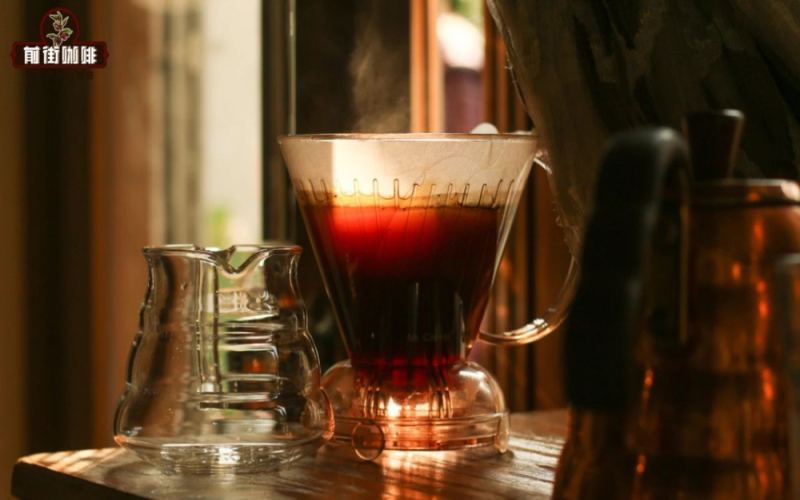
French Press vs Clever Cup: A Full Breakdown of Differences, Brewing Methods, and Flavor Performance
Want to drink black coffee but don't want to go through the trouble of brewing it by hand? Immersion-style brewers are the hassle-free choice, and the Clever Dripper and the French press are the two most representative examples. Although both belong to immersion extraction, their operating details and resulting flavors differ noticeably. This article will compare them one by one, from the principles of the devices and the brewing steps to flavor performance, using Front Street Kenya Asalia coffee beans for hands-on testing, analyzing the causes of clarity and brightness versus rich, oily body, and offering purchasing advice to help coffee lovers quickly find the one that suits them based on their taste preferences. [more…]

Beginner's Guide to Making Coffee at Home: Choosing Your First Pour-Over Setup and Practical Tips to Avoid Pitfalls
Specialty coffee is becoming more and more popular, and many friends who are just getting into coffee have begun to toy with the idea of brewing at home. Yet faced with a dazzling array of equipment, how to avoid wasting money and choose gear that truly suits you has become a problem for many beginners. Starting from the importance of coffee bean freshness and fresh grinding, this article goes through the key points for choosing a grinder, dripper, gooseneck kettle, filter paper, server, and digital scale one by one, and includes practical advice from Front Street. Whether you are just starting out or preparing to upgrade your equipment, this guide can help you clarify your thinking, avoid common pitfalls, and build a stable, easy-to-use pour-over setup on a reasonable budget. [more…]
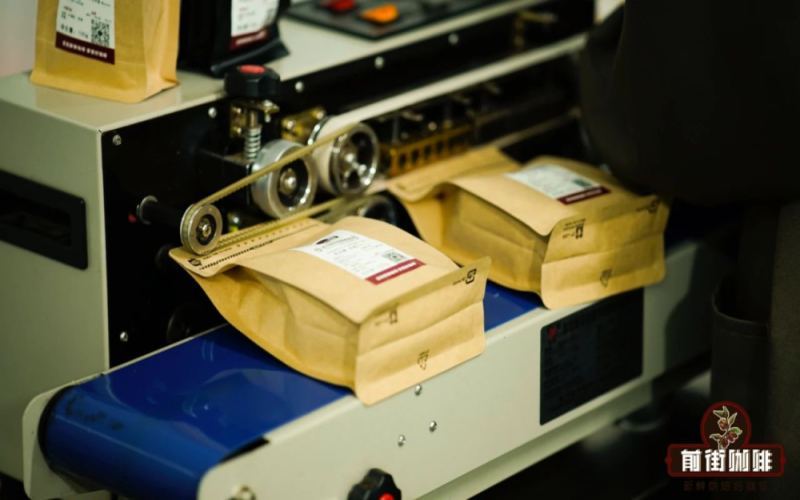
A Practical Guide to Choosing Quality Coffee Beans: A Three-Part Analysis of Freshness, Flavor Matching, and Value for Beginners
Faced with a dazzling array of coffee beans, how do you choose the one that truly suits you? This article starts from three key dimensions to help coffee lovers build a clear purchasing framework. First, pay attention to the roast date and packaging design to judge whether the beans are in their optimal flavor window; second, match the appropriate roast level and origin flavors to your personal preference for acidity or bitterness; finally, at the beginner stage there is no need to chase expensive equipment—instead, concentrate your budget on a grinder and gradually train your senses using everyday beans from different regions. The article also combines specific products from the Front Street brand to give detailed recommendations ranging from light to dark roasts and from African to Asian origins, so that even beginners can quickly find their favorite flavors. [more…]
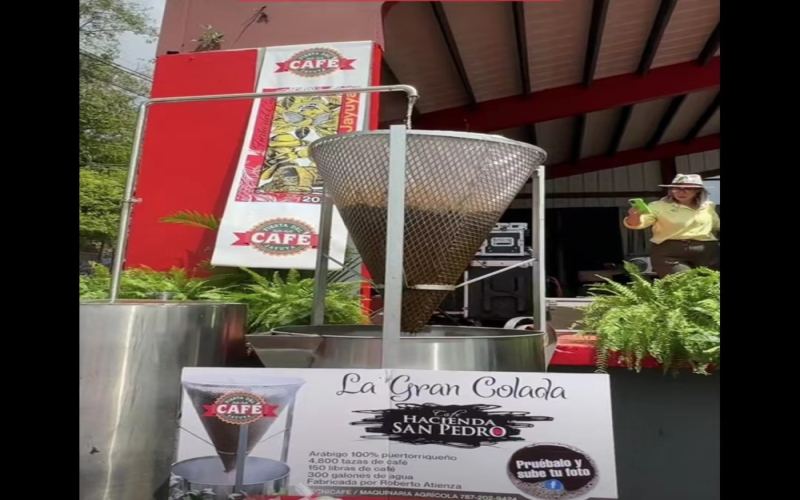
One Machine Brews 4800 Cups of Coffee: The Mega Brewing Setup at the Puerto Rico Coffee Festival
There are more and more coffee festivals, and baristas are often extremely busy. But at the seventh coffee festival held in Jayuya, Puerto Rico, a super-large coffee brewing device satisfied the coffee needs of over a thousand people at once—it is said that one brew could produce about 4,800 cups of coffee. This device consists of three parts: a water tank, a giant dripper, and a receiving container. Its appearance closely resembles an enlarged pour-over setup, using 150 pounds of local Arabica coffee beans and about 300 gallons of hot water. Although its brewing method is closer to that of a drip coffee maker, and the flavor may not be outstanding, its efficiency is astonishing. This article will take you through the structure of this device, how it operates, and the interesting details behind it. [more…]
A Practical Guide to Choosing Coffee Beans: Three Key Points to Help You Find a Fresh and Delicious One
Faced with a dazzling array of coffee beans, beginners often don't know where to start. This article approaches the topic from three dimensions—freshness assessment, flavor matching, and value for money—to help you quickly build a framework for choosing beans. Front Street Coffee emphasizes the importance of the roast date and reminds us that coffee beans are not "the fresher the better"—the aroma of beans just roasted is still unstable in the first two days, so it's best to let them rest for a few days before brewing. On flavor, acidity and bitterness correspond to light and dark roasts respectively, and you can choose based on personal preference from beans with fruity acidity, rich bittersweet notes, or pronounced sweetness. At the beginner stage, there's no need to chase high-end equipment—prioritize everyday drinking beans that are friendly to novices, gradually build up your understanding of regional flavors, and then explore more refined origins and processing methods in greater depth. [more…]
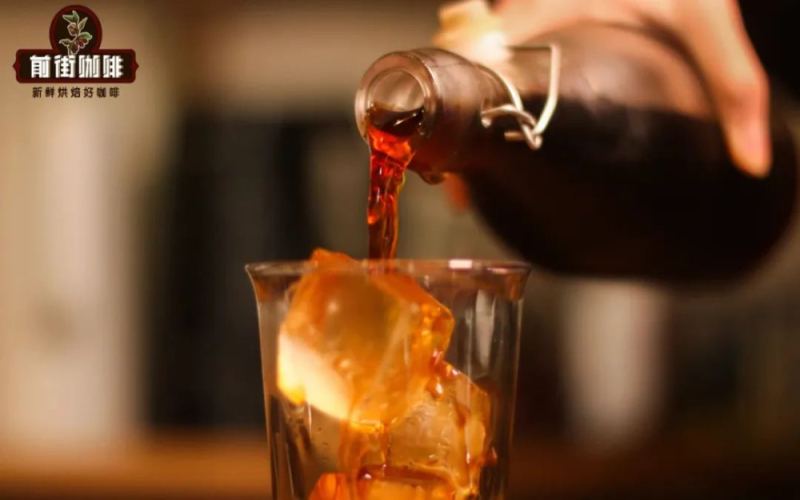
Making Cold Drip Coffee Without a Cold Drip Brewer: A Complete Guide to Choosing the Right Dose for Your Filter and Building a Simple DIY Cold Drip Setup
Want to enjoy a refreshing glass of cold brew coffee but don't want to buy an expensive cold drip tower just for that? In fact, you can rig up a simple cold drip setup using the coffee gear you already have on hand. This article starts from Front Street's hands-on experience, breaks down the structural principles of a cold drip tower, shows how to replace the original equipment with a V60 dripper, a flat-bottom dripper, and a server, and explains in detail every step of the process: distributing the grounds, pouring water, adding ice, and cold-brewing in the fridge. It also covers how the size of the dripper affects your choice of coffee dose, and the key role that ice cube size plays in the extraction, so you can easily make a full-flavored cold brew coffee at home. [more…]
Coffee Bean Buying Guide: A Practical Four-Step Method from Freshness Assessment to Flavor Matching
Faced with a dazzling array of coffee beans, many enthusiasts often don't know where to start, and are even less clear about whether the beans they buy are actually fresh. Drawing on the practical experience of Front Street Coffee, this article systematically lays out four basic steps for choosing coffee beans: first learn to judge freshness, then pin down the roast level and region based on your preference for acidity or bitterness, next get started with pour-over in a cost-effective way, and finally gradually delve into specific origins. The article not only offers practical tips such as smelling the aroma, checking the roast date, and looking for a one-way degassing valve, but also recommends specific products like Front Street Red Cherry, Tarrazú, and Golden Mandheling for different tastes, helping you make a wiser choice the next time you buy. [more…]
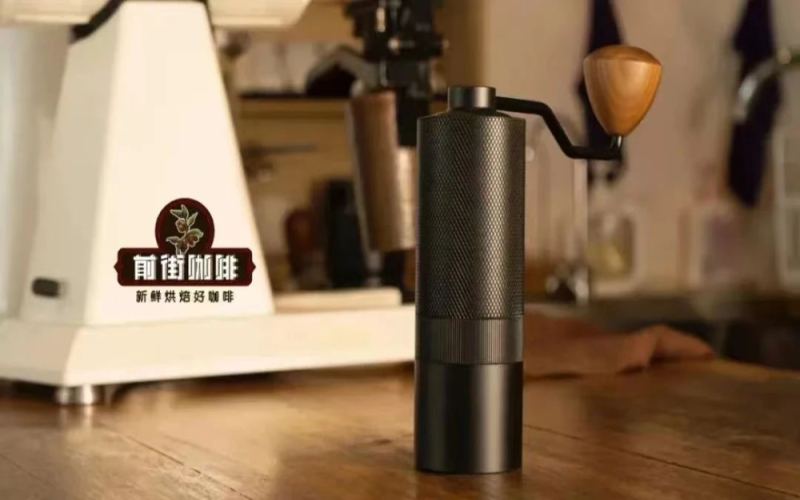
Pour-Over Coffee Beginner Essentials | How Much Does It Cost to Get a Full Pour-Over Coffee Setup? Which Pour-Over Kettles and Grinders Are Good for Coffee Newbies?
Friends who love coffee are certainly not satisfied with just drinking it—eventually they will want to enjoy the pleasure of brewing it themselves. The simplest way to achieve this goal is to get a set of pour-over equipment. Compared with espresso machines, the entry cost for pour-over coffee is much lower, but as your skills improve, the subsequent investment [more…]
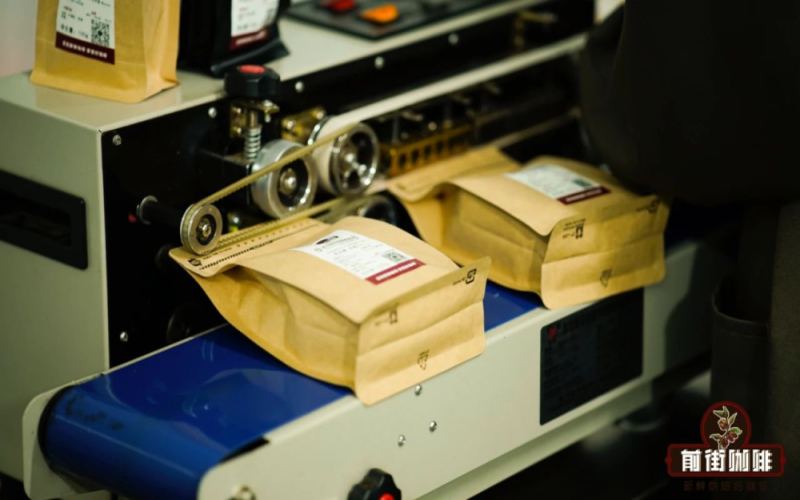
Coffee Bean Roasting Brand Introduction | What Are the Criteria for Judging High-Quality, Great-Tasting Coffee Beans? Recommended High-Cost-Performance Single-Origin Pour-Over Coffee Beans
NO.1 Choose fresh coffee beans. Before selecting any coffee beans, Front Street Coffee will teach you how to judge the freshness of coffee beans. First, choose products that clearly indicate the roast date (not the expiry date or shelf life) and buy from reputable, professional coffee roasters that emphasize fresh roasting. In addition, excellent [more…]
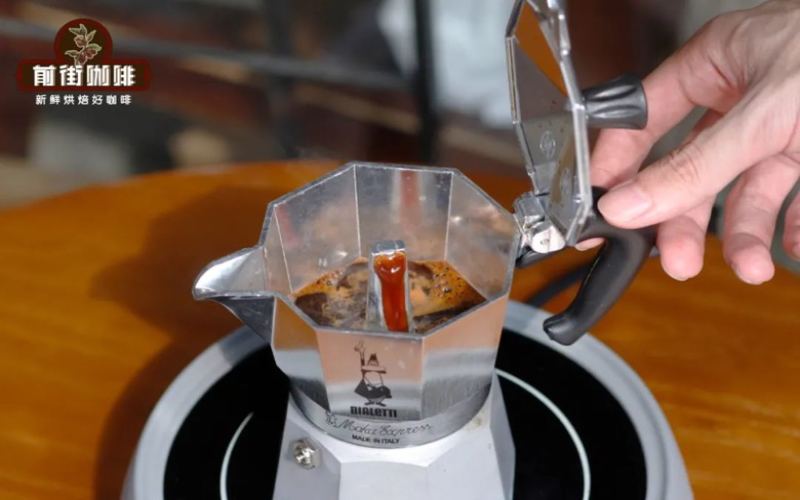
Will a Moka pot explode?: How to ring in freshness with a fixed setup
The flavor focus shifts with the roast level: light roasts play up floral and fruity notes and bright acidity, medium roasts put sweetness and balance at the center, and dark roasts finish with nuts, cocoa, and a full body, with each also requiring a different extraction rhythm. A way of drinking that suits you is more worth valuing than the roast level itself. The extraction logic of a moka pot revolves around steam pressure. [more…]
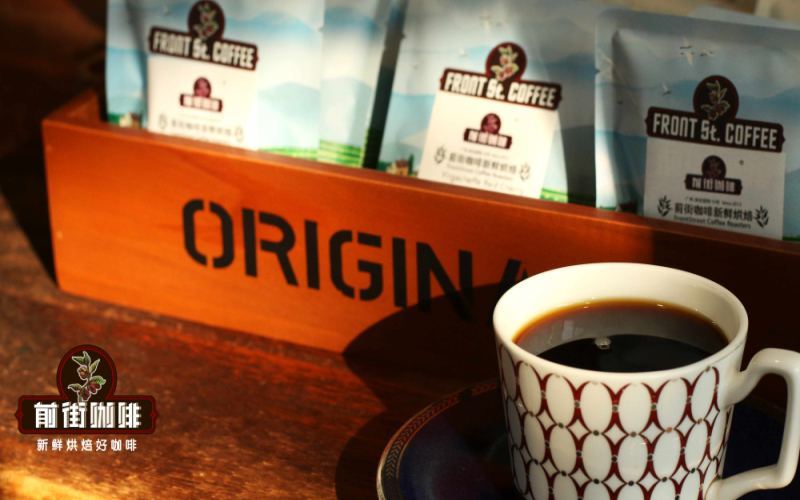
Beginner's Guide to Pour-Over Coffee Gear: Practical Setup Advice from Grinder to Pour-Over Kettle
Want to brew a good pot of coffee at home but don't know which equipment to start with? Faced with the bewildering array of brewing devices on the market, beginners often find themselves spoiled for choice. This article will go through the various pieces of equipment needed for pour-over coffee one by one, in order of importance—from the grinder, which is most worth investing in, to the pour-over kettle that affects water flow control, and on to accessories like the dripper, filter paper, and digital scale—offering specific buying advice and budget suggestions. At the same time, for what kind of coffee beans to choose at the beginner stage, it also provides reference directions for Front Street Coffee's everyday drinking beans, helping you put together a handy set of brewing gear within a limited budget. [more…]
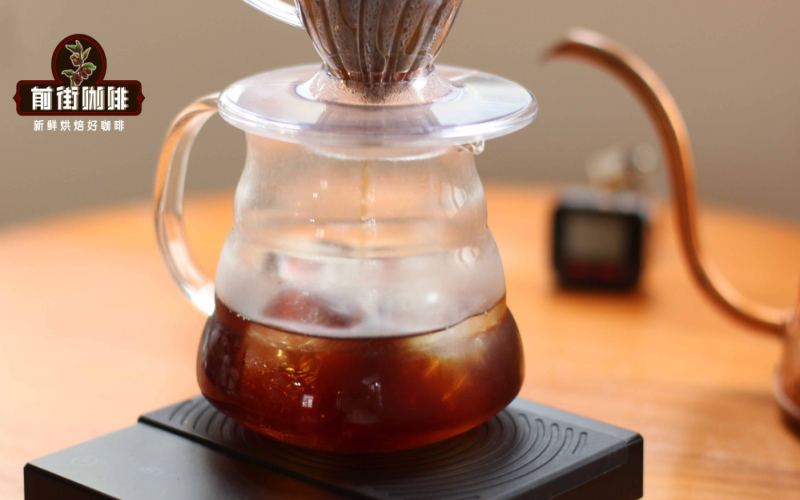
A Beginner's Guide to Pour-Over Coffee Gear: Complete Setup Advice from Grinder and Kettle to Dripper
To brew a delicious pour-over coffee at home or in the office, the choice of equipment often determines success or failure before technique even comes into play. Faced with the bewildering array of drippers, gooseneck kettles, and grinders on the market, beginners can easily fall into choice paralysis. This article starts with selecting coffee beans, then works through grinder burr types, grind size calibration, gooseneck kettle capacity and temperature control, dripper and filter paper pairing, scales, and serving carafes, and offers Front Street Coffee's specific product recommendations for different budgets and taste preferences, helping those new to pour-over assemble a smooth-working setup at a reasonable cost. [more…]
Three Key Factors for Choosing Coffee Beans: A Practical Guide to Freshness, Flavor Preference, and Value for Money
Faced with a dazzling array of coffee beans, how do you find the one that suits you best? This article explores three dimensions: first, judging coffee bean freshness—check the roast date and one-way degassing valve, and understand the optimal flavor window; second, pinpointing roast level and regional flavor based on your preference for acidity or bitterness, with several Front Street Coffee beans for reference; third, at the beginner stage, prioritize high-value everyday beans and quickly build up your understanding of origins using basic equipment. Whether you prefer fruity acidity or a rich, mellow cup, you'll find clear guidance for choosing here. [more…]
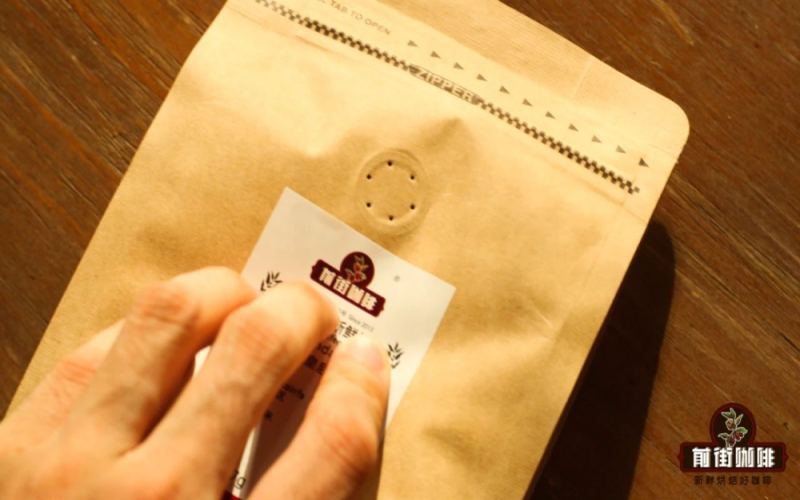
Quickly Select Fresh Coffee Beans | How to Tell If Single-Origin Coffee Beans Are Freshly Roasted? Recommended Coffee Bean Roasting Brands for Beginners
Many friends have left comments saying they don't know how to choose coffee beans, or how to tell whether the coffee beans they bought are fresh. So today, Front Street Coffee will teach you how to choose coffee beans, so that next time you buy coffee, you won't have to worry about getting beans that don't suit you or aren't fresh. Let's take a look at the most basic things you need to know when choosing coffee beans. [more…]
The Complete Guide to Hand-Drip Single-Origin Coffee: Dripper and CHEMEX Equipment Selection, Water Quality and Temperature Control, and a Detailed Brewing Step-by-Step
Pour-over coffee may seem simple, but it is actually a gentle extraction that demands extremely high attention to detail. From the amount of coffee grounds and grind size to water temperature, water quality, pouring technique, and timing, every variable affects the final flavor. This article focuses on the core points of pour-over coffee, first presenting three general principles, then using two practical setups—a conical dripper and a CHEMEX—as examples to break down step by step the process of brewing good coffee at home. Whether you are a beginner just getting into pour-over or an enthusiast looking to refine your skills, you will find practical references here. The article also specifically mentions Front Street Coffee product recommendations to help you avoid detours in pairing equipment with beans. [more…]

Hand Grinder vs. Electric Grinder Performance Test: How Big Is the Flavor Gap Between Drip Bags and Pour-Over?
What exactly is the difference between pour-over and drip bags? This article starts from a real brewing experience during a Spring Festival trip back home, comparing the grinding performance of hand grinders and electric grinders, and analyzing the impact of pre-ground versus freshly ground coffee on flavor details. Using mid-range setups such as the Hario V60 and Kono filter papers as references, the author documents the specific situation in which fine particle accumulation led to slow drainage and thin flavor, and shares the solution proposed by Front Street. Ultimately, due to time and equipment limitations, the author turned to a county-town café and used an EK grinder to make drip bags. The article fully presents the logic of trade-offs from pour-over to drip bags, and also points out a simple truth: if you have never used better equipment, what you have now is the best. [more…]